
Meditation Guide
Meditation doesn’t always look like a monk on a mountain or a yogi by still water. Meditation often looks like a quiet moment in the car… or a deep breath at the end of a long day.
This guide is here to meet you where you are.
I am currently working on this portion of the website, so be sure to check back soon for more content.
Choose your Path
-
Mediation may not be what you image it to be. It’s so much more!
-
According to the Merriam-Webster Dictionary, meditation includes contemplation, reflection, and focused awareness.
By definition, you're probably already meditating more than you may think.
-
Meditation is loaded with benefits.
Here are just a few:
Reduces stress and anxiety
Supports emotional balance
Improves focus and clarity
Enhances self-awareness
Encourages deeper rest and sleep.
-
Explore a few suggested meditative positions.
Seated (chair, bolster, pillow)
Lying down
Hands & back posture
Optional supports
Of course, the most important position is the one where you feel relaxed and supported.
-
Focused breathing is mediating. Here I will break it down into easy-to-understand breathing exercises.
-
You CAN mediate; you just need to know where to direct your mind. Here we will discuss:
What mediation is NOT: emptying the mind
What it IS: Focusing your attention
Why your wandering thoughts are normal.
-
Here I will discuss a few tips & tricks to help gently guide you through some of the distractions that commonly occur when mediating.
Positive Reinforcement
Tips for the Technology-Minded
Tips for the Day Dreamer
Tips for the Realist
-
Read from a script or download a free guided mediation.
The Image Of Meditation
What images pop into your mind when you think about someone meditating? In today’s culture we have created the image of a monk sitting near a still body of water. Or a yogi perched on a mountain top in lotus pose. While these images are often the images that are brought to mind when we think of mediation, they are the exception and certainly not the rule.
The reality is, one who mediates often looks more like a woman who’s been carrying the weight of the world on her shoulders, sinking into her bathtub after a long day. Or a man who idles his car in the driveway an extra five minutes after a stressful day at the office. While these images don’t exactly portray tranquility they are still in fact, images of one who meditates.

What is Meditation?
According to the Merriam-Webster dictionary Meditation is defined as the following:
meditate; meditated; meditating 1: to engage in contemplation or reflection. 2: to engage in mental exercise (such as concentration on one’s breathing or repetition of a mantra) for the purpose of reaching a heightened level of spiritual awareness. 3: to focus one’s thoughts on: reflect on or ponder over. 4: to plan or project in the mind.
By definition, you may realize just how often you actually do meditate without even realizing it. How many times in a day are you contemplating, reflecting, focusing your thoughts, pondering over or planning one thing or another, in your mind? More often than you might think. So then why aren’t we all walking around feeling as calm and carefree as the monk or the yogi? That’s because of the quality, quantity, and mindfulness of the thoughts that we allow into our mind space.
The Benefits of Mediating
Our senses are constantly being bombarded with words, sounds, and imagery from one extreme to the next. We have grown so accustomed to having the world at our fingertips that our patience levels are lower than they have ever been. Don’t believe me, well then just call your internet subscriber and drop your Wi-Fi connection down a tier or two and observe your patience level then.
When was the last time you can recall being silent for at least five minutes with no one else around, no device in your hand, no television, no radio, no magazine and also not sleeping? This is the world we live in today, and that’s certainly not going to change anytime soon, so we must learn to work with and around these challenges.
So, what if someone told you there was a way to reduce stress, control anxiety, promote your emotional health, enhance your self-awareness, lengthen your attention span, reduce age related memory loss, generate kindness, fight addictions, improve your sleep, control pain, and could decrease blood pressure? Plus, it’s clinically proven, it doesn’t cost any money, and anyone could do it. Surely you would want to give it a try, right?
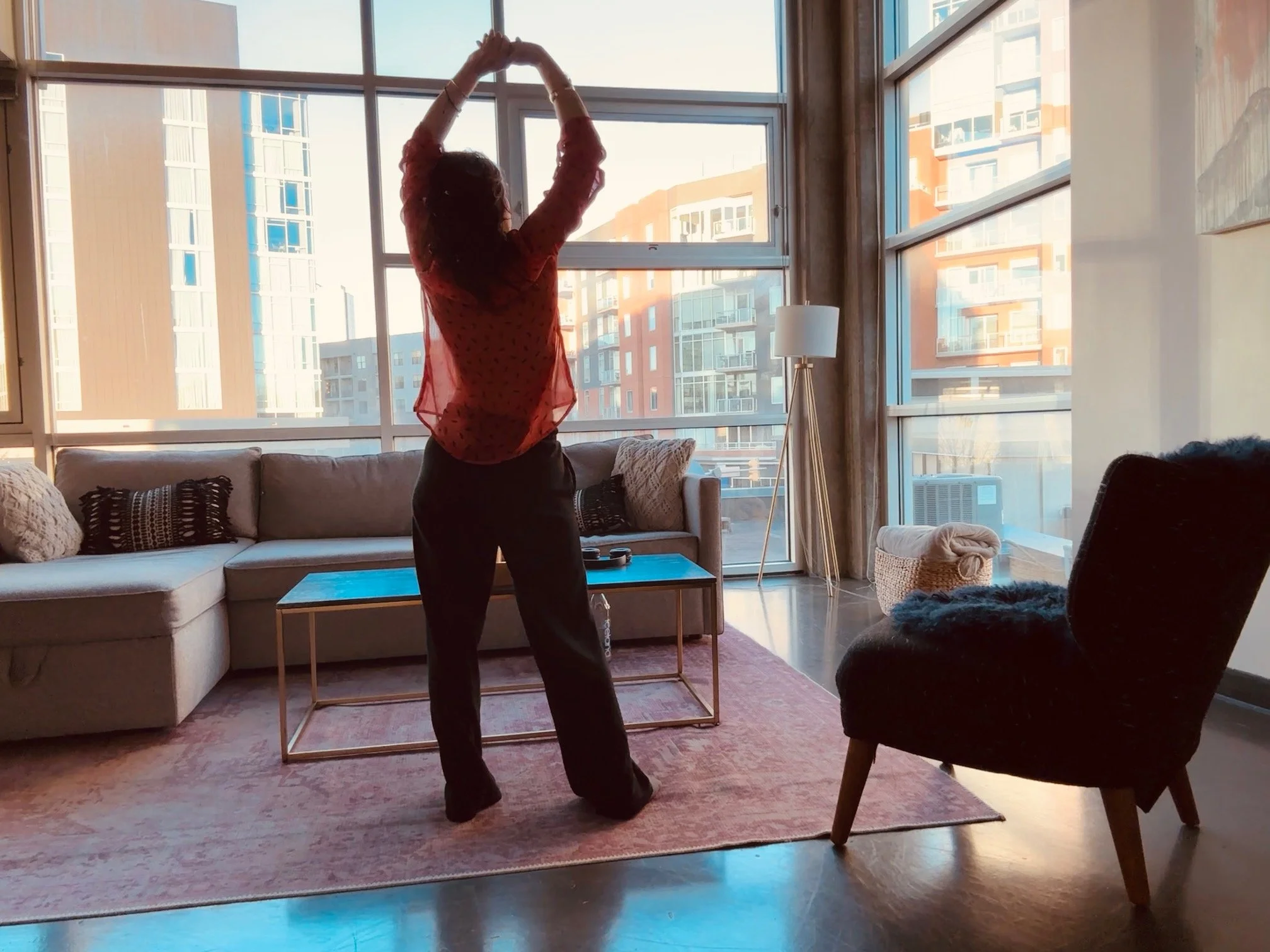
It doesn’t take mediating for hours on end to begin feeling the benefits of meditating. Stilling the thoughts in your mind with deep focused breathing for as little as 5 minutes during your day can be equated to a 10-to-15-minute nap. Which will leave you instantly feeling more relaxed and refreshed than you were before.
Posture & Positions
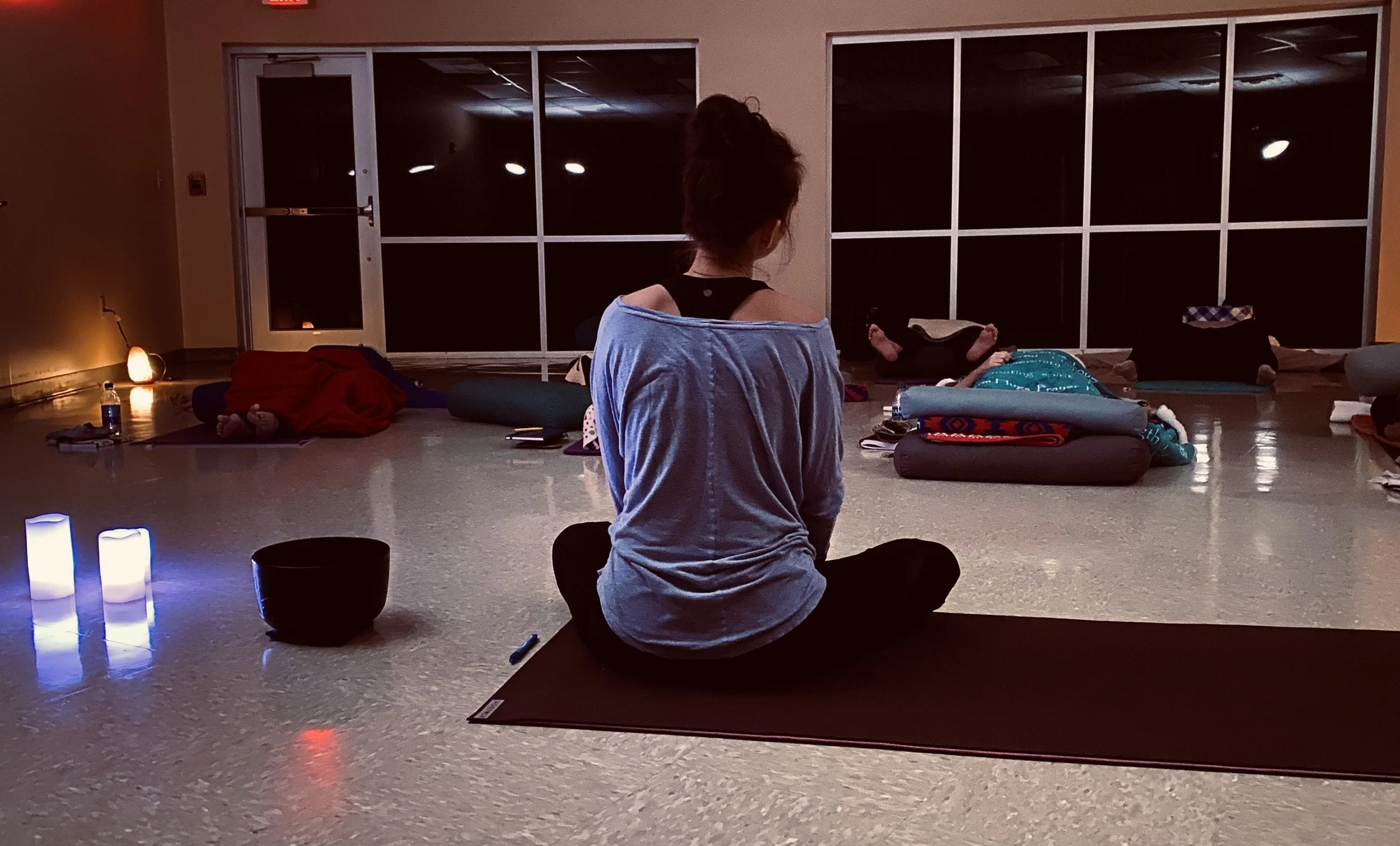
It’s important to say that there are benefits for correct meditation posture whether that be laying down or sitting in an upright position to meditate. As it enhances mental focus, facilitates deeper breathing, supports the flow of energy, and reduces agitation or sleepiness. However, if these positions are uncomfortable for you, then I welcome you to find any position that you feel relaxed and comfortable.
Seated meditations may be done on a chair or on a bolster or meditation pillow. When sitting on a bolster your legs should be in the lotus position or cross legs position with your hips elevated above the knee with a straight spine. Your hands maybe on thighs or mudra, prayer or gratitude position or just in your lap. If seated in a chair, you want to be sure that the soles of your feet are on the ground. You may also choose to lay flat on a bed or the ground if you so choose hands can be either out to your side or on your abdomen. Whatever you find the most comfortable for you. Some people use an eye mask or headphones if you’re listening to a guided meditation.
When you do find a comfortable seat or meditative position close your eyes and check in with yourself and explore how you feel. Scan your body paying attention to any areas of discomfort, pain or tension. If there are any areas of tightness or tension call your mind to focus on that for a moment, telling yourself that you accept that this is the way your body feels at this time.
Breathing Techniques
Breathing is an important and also helpful aspect of meditating. Breathing is one of the best ways to focus the mind. Deep diaphragmatic breathing not only helps to send oxygen to your brain, but it also helps increase the circulation in your body.
Many people go throughout their day only taking shallow breaths. Which can cause the body to tire more easily and increases tension. Once you learn this practice try to incorporate it into your daily breathing even when you are not meditating so that you can enjoy the added benefits and feel more energized throughout your day.
Practice:
First, begin by putting your hands on your stomach.
Inhale through your nose and while doing so your stomach should rise. Like you are blowing up a balloon.
Exhale through your mouth, as you do your stomach should sink. Or your balloon to deflate.
You may practice inhaling for 4 counts and exhaling for 6 at first.
When you first begin to meditate you may only spend 3 to 5 minutes a day just focusing your attention on the breath. Try to increase your time every couple of days.
Remember that consistency is more important than time spent meditating. Keep in mind we want quality over quantity.
Stilling your Mind
You often hear people say meditating is to empty the mind. However, if you could simply “just empty your mind” you probably wouldn’t be reading any of this in the first place. Which makes it an unrealistic expectation for most.
Instead, the goal should simply be to practice focusing your mind and your thoughts on one particular thing. This could be your breath or an intention you set for yourself.
One’s mind often races and thinks about many things, mostly things you don’t want to be focusing on. So, we must do something with these thoughts besides telling them to go away.
For the technology whiz you might find it helpful to envision this thought, picturing it as it was on your phone or computer then swiping the thought away. Some may envision their thoughts floating in a cloud allowing it to be seen and to simply drift away. For the more concrete thinker imagining your thoughts been at a four-way stop would be helpful. Whatever you choose to do, it’s important to actively do something with these thoughts and not expect them to just disappear. This only causes frustration and will not help to still your mind.
Tips & Tricks
It’s not uncommon for your mind to race when attempting to focus on one particular thing. Instead of telling those thoughts to go away try this…
Positive Reinforcement: Keep in mind that just by noticing your unwanted thoughts you are growing in your mediation practice. This is after all why we call it a practice. So, when you do notice them, take a moment to congratulate yourself for noticing them, then redirect your thoughts back to your breath or your intention.
For the technology whiz: envision this thought, picturing it as though it was on your phone or on your computer screen. Then swipe the thought away or close the browser.
For the Day Dreamer: envision your unwanted thoughts floating in a cloud. Then simply watch as they drift away with the wind.
For the Realist: imagine your thoughts coming to a four-way stop.
Whatever you choose to do, it’s important to actively do something with these thoughts and not expect them to just disappear. This only causes frustration and will not help to still your mind.
Guided Meditations
Let’s meditate together.
Download my free Guided Meditation here.